My contribution to skydiving is included here not simply to highlight what I have achieved, but to provide some context to the experience and perspective behind the services I offer. Having spent many years working across different areas of the sport, I have seen how skydiving has evolved, from training and safety practices to the development of new disciplines, equipment and professional standards. That experience has given me a broad understanding of both where the sport has come from and where it is heading. I believe that knowledge is useful in its own right, allowing me to draw on lessons learned over many years and apply them practically to the training, consultancy and other services I provide.
Giving back to the sport
-
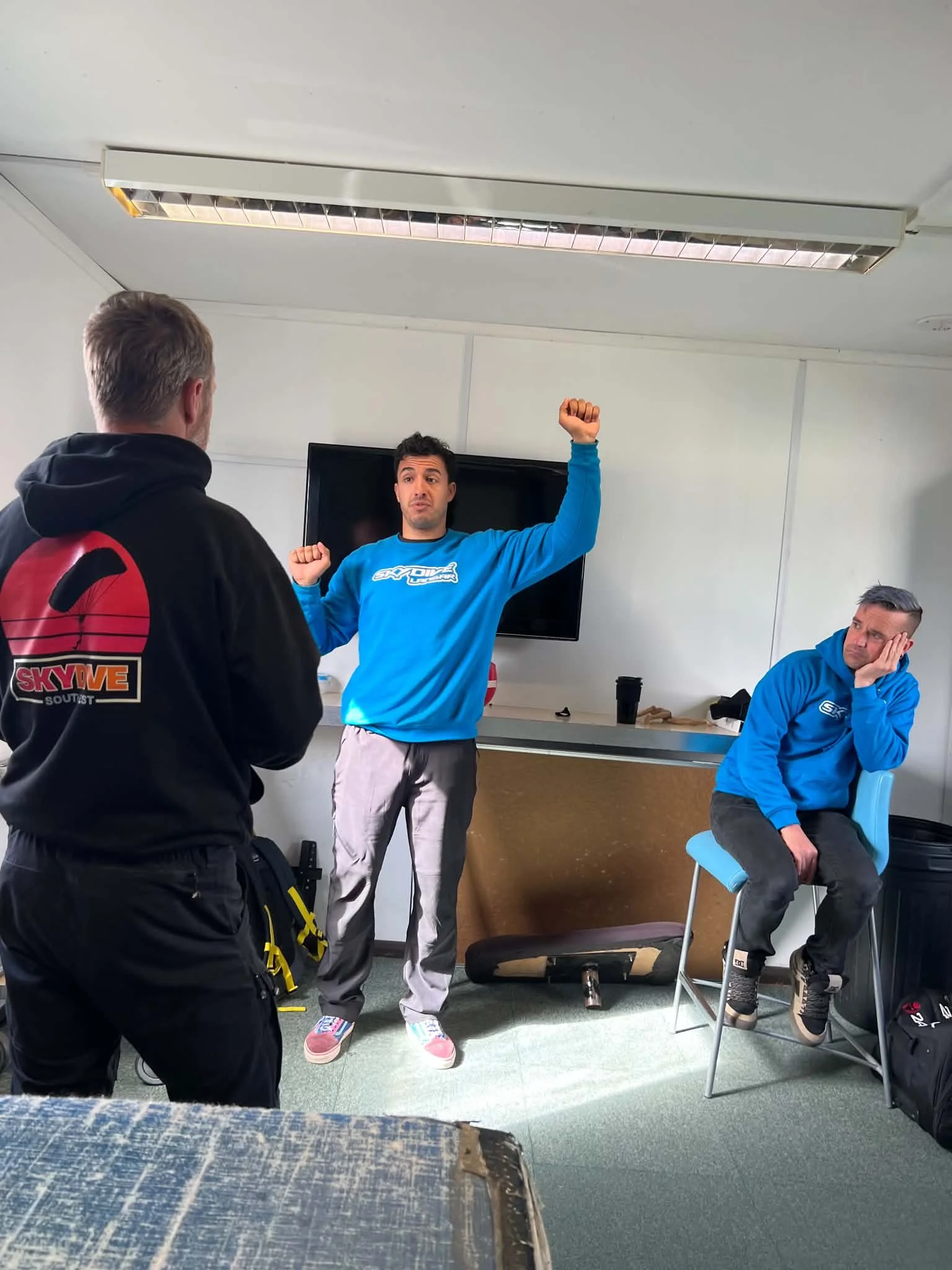
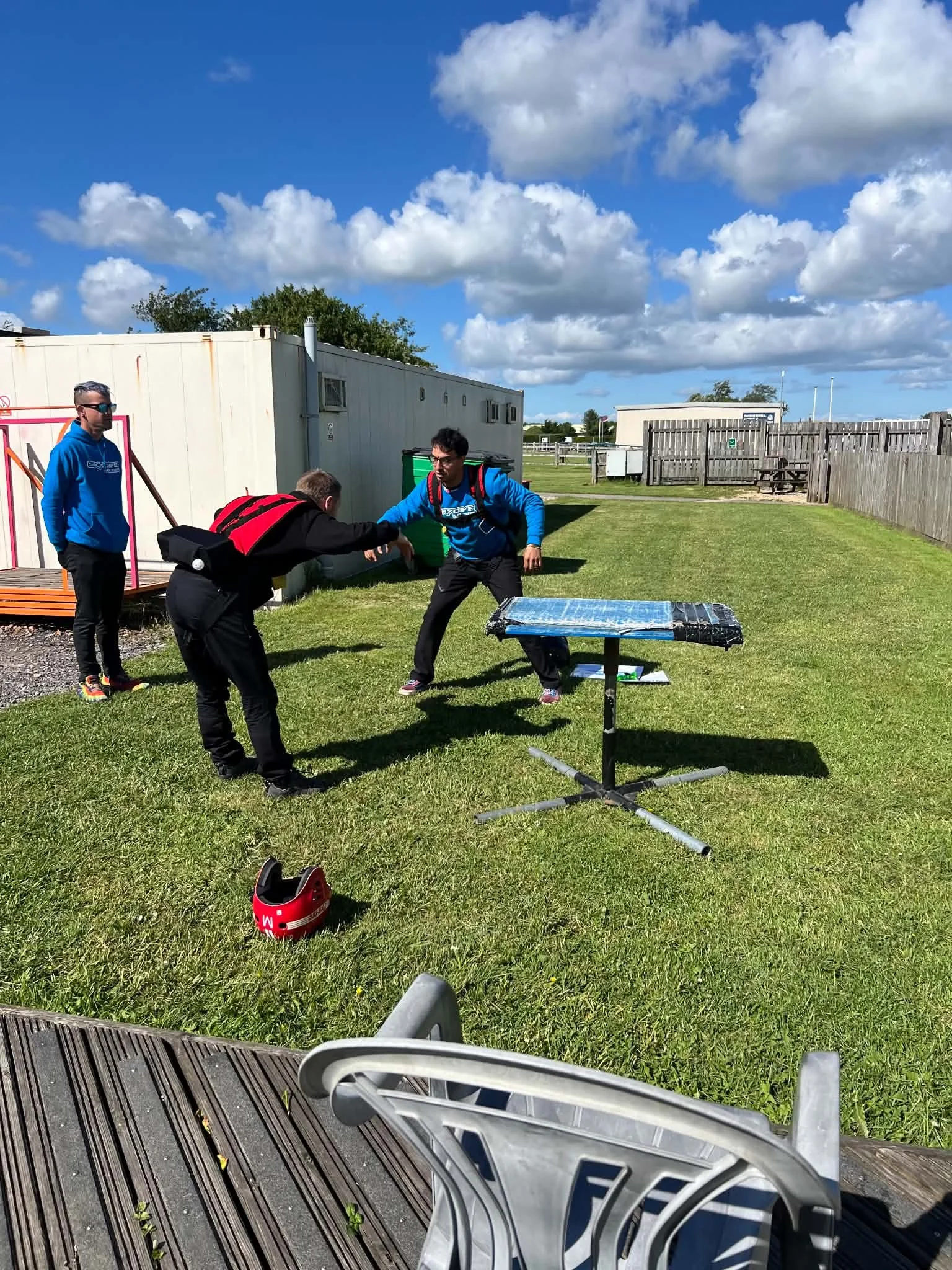
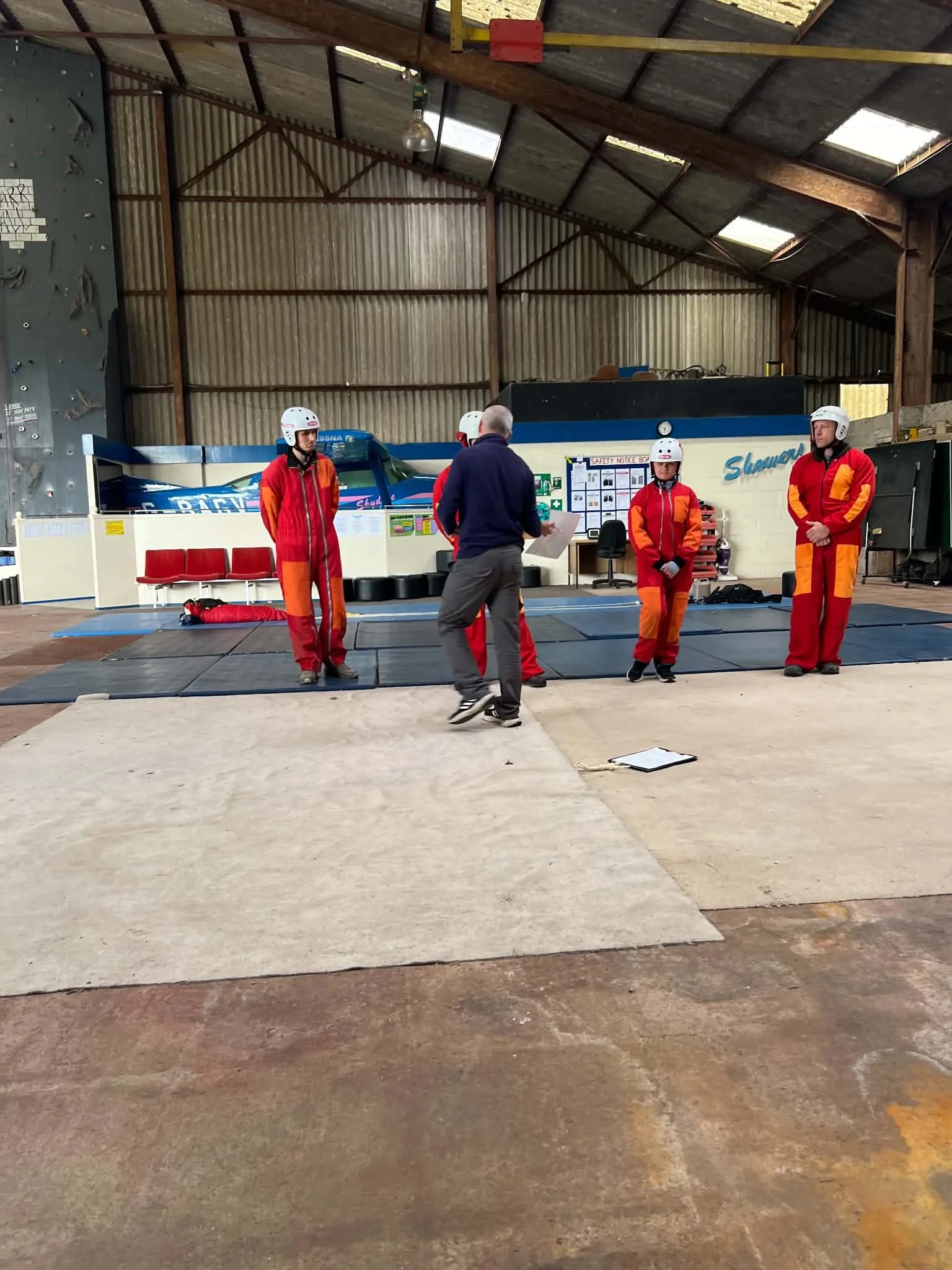
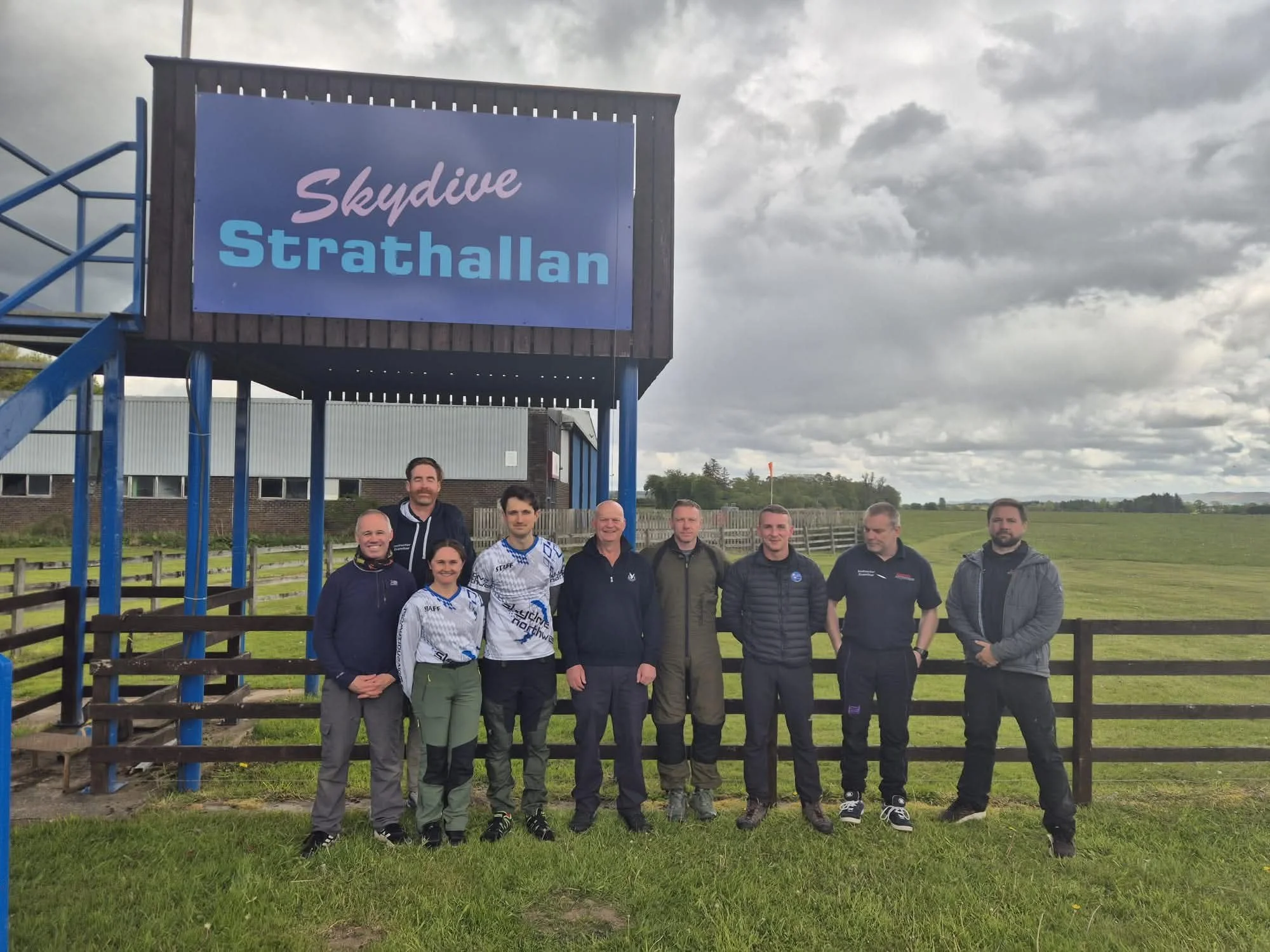
Since gaining my examiner rating, and until very recently, all of my examining duties have been carried out on a voluntary basis. On some courses, the expenses provided did not even cover the cost of accommodation. Despite this, I have continued to examine because I consider the role an important part of maintaining the association’s standards and ensuring that instructors are equipped to provide safe and effective training to students.
I particularly enjoy working with candidates from centres across the country. Seeing different approaches to teaching allows me to learn from other instructors, pick up new ideas and continually review and improve my own teaching methods. The minimum requirement to maintain an examiner rating is to examine on one course every two years. I aim to examine on at least three courses each year and examined on five courses last year, including stepping in at short notice when other examiners were unable to attend. This has allowed me to contribute consistently to the development and maintenance of instructional standards across the sport.
-
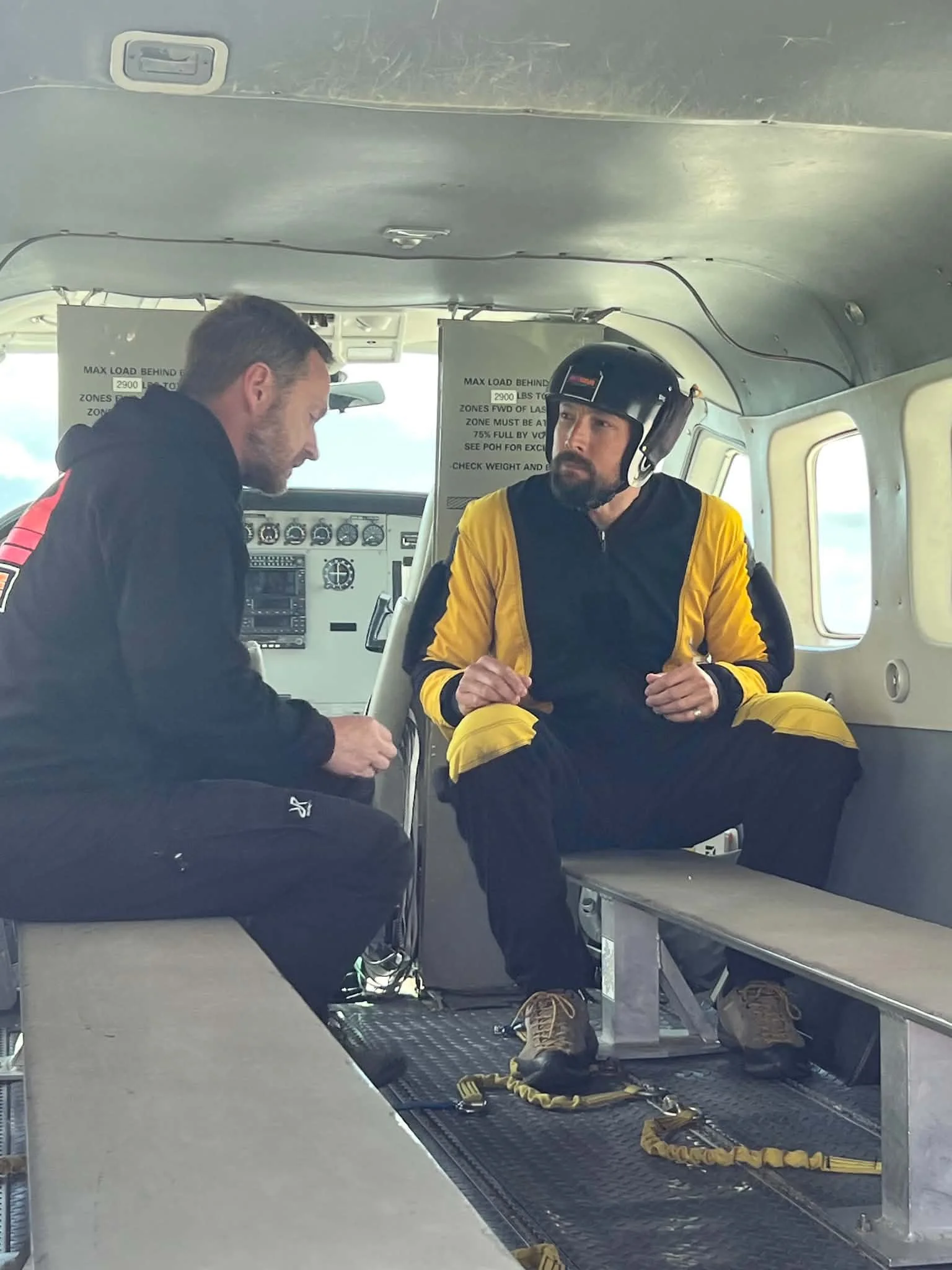
The goal for the TWG was to review all aspects of tandem skydiving for the BPA.
One of the key developments from the working group was the introduction of the tandem instuctor probationary period which helps protect instructors/students in their early tandem jumps.
-
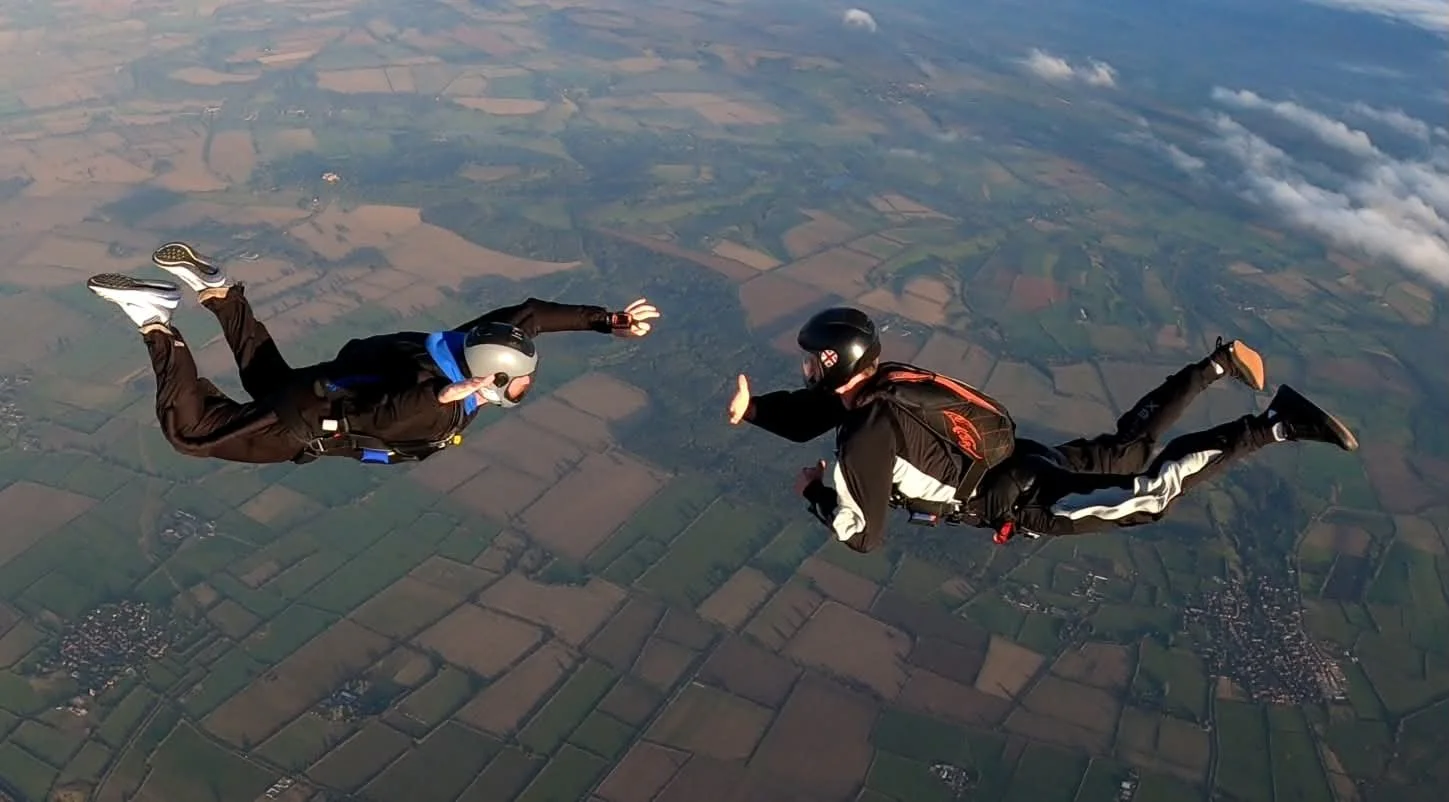
The Tracking Working Group was formed in response to the growing popularity of tracking as a high speed discipline. Paul Floyd led the group, gathering feedback from leading load organisers and coaches across the country to help develop a structured approach to tracking progression and safety, whereas before there was nothing.
Before the formation of the working group, 1:1 tracking coaching was uncommon. It has since become the standard approach for introducing the fundamentals before progressing to larger groups. This has helped to upskill newer trackers and, importantly, ensure that participants receive a consistent minimum level of safety training before progressing further within the discipline.
The tracking progression system has now been in place for around 10 years. As with any established system, there is value in periodically reviewing and refining it. Membership experience, incidents and near misses can all provide useful information to identify areas where the system could be further improved and adapted to the changing needs of the discipline.
-
The ICWG was a short lived working group, operating for only a few months due to changes in the Council’s composition. During this period, however, significant feedback was solicited from former participants of BPA instructor courses. I found this feedback particularly valuable, as it provided an opportunity to understand the experiences and perspectives of candidates beyond my own experience as an instructor and then later as an examiner. I have continued to draw on this feedback in my work as an examiner, using it to help ensure that the candidate experience remains constructive, consistent and focused on maintaining high standards of instruction.
-
This working group was formed in response to an increase in canopy related incidents, including fatalities. Research conducted by Stuart Meacock identified that the rate at which skydivers were downsizing their canopies was increasing with each decade, contributing to the normalisation of skydivers using equipment beyond their current capabilities.
I contributed to the development of the new canopy training processes, assisting the primary authors of the Canopy Training manuals, Noel Purcell and Nick Robinson, and writing the associated Canopy Training exams. The resulting processes have strengthened the progression requirements for canopy students, ensuring they develop a greater number of practical skills and repetitions before progressing to more advanced equipment and techniques. They have also contributed to a reduction in critical injuries associated with high performance landings.
-
Throughout my career, I have written and had published a range of safety articles, primarily for British Skydiving’s The Mag, as a way of sharing knowledge and giving back to the membership. These articles, along with a selection of instructor teaching materials, are available through the Education Articles section of my website.
-
The Safety and Training Committee (STC) is a British Skydiving committee that meets every two months to discuss safety, training and potential improvements to the Operations Manual, the foundation document governing the safe operation of the sport and the protection of its membership.
The committee is made up of selected Chief Instructors, Examiners and subject matter experts covering areas including rigging, flying, parachute displays and medicine.
I currently sit on the STC as one of its two Examiner representatives. My role is to contribute experience and feedback from the wider membership and instructor community, helping the committee consider practical, sensible and relevant changes to the rules and guidance that govern our sport.
Follow for updates, insights and progression